Residency
Running Blind 2026 Dance Artist Residency
Building on more than a decade of access-led dance practice, Running Blind’s 2026 residency brings its established artistic methodologies into an integrated professional setting with community participants, professional performers and artistic collaborators.
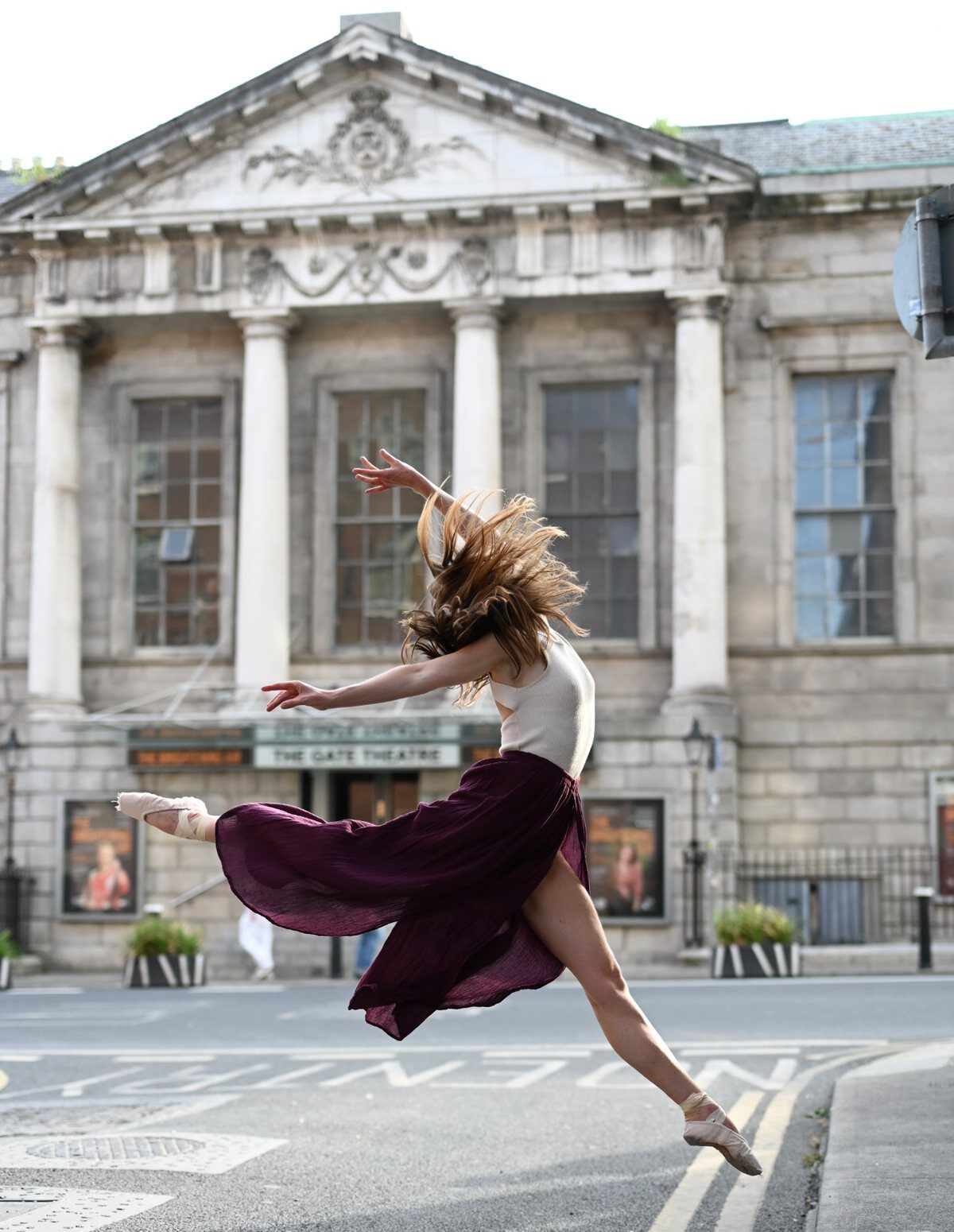
Photo credit: Ewa Figasewska
About the Residency
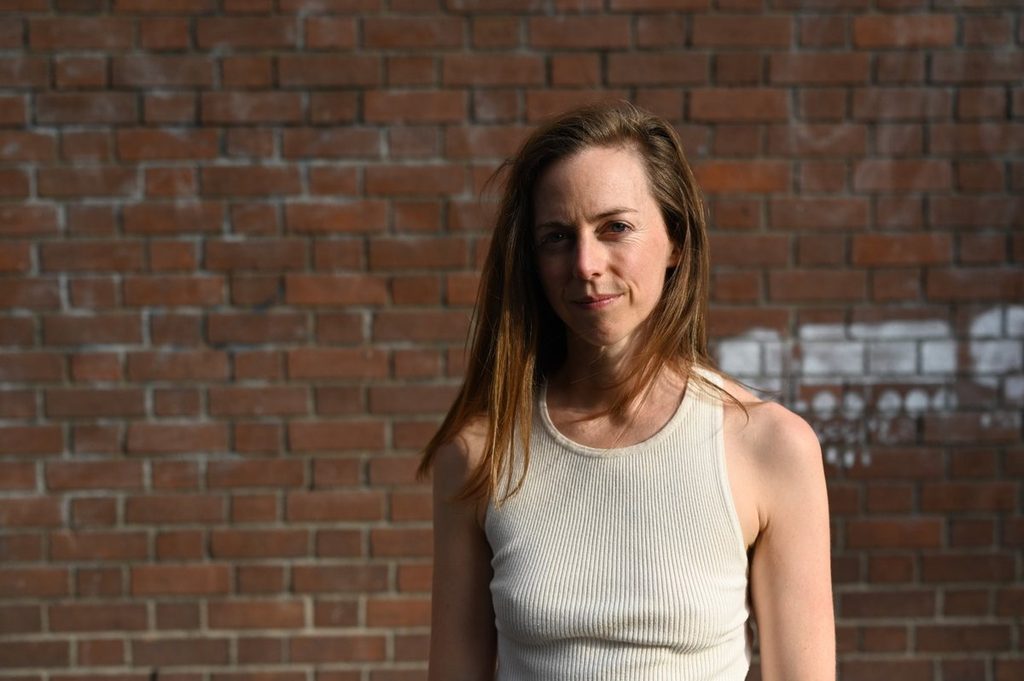
Running Blind founder Laura Sarah Dowdall has been selected as one of six artists nationally for the Arts Council’s 2026 Dance Artist Residency Scheme.
Delivered in partnership with Dublin City Council, Fighting Blindness and The Gate Theatre, the residency marks the next professional development phase of Running Blind, the inclusive dance practice Laura has developed through long-term collaboration with people who are blind, members of the deafblind community and people living with vision impairment.
Running Blind has spent more than a decade developing ways for dance to be created and experienced beyond an exclusively visual art form. Creative audio description, haptic communication, touch, sound, text and multisensory orientation have been central to its artistic practice since its earliest projects.
The residency brings these established methodologies into a new professional development context, supported by community participants, a professional cast, artistic collaborators, partner organisations and a theatre team. Together, they will develop a new dance work and consider how this access-led practice can evolve at a larger scale.
Over a Decade of Access-led Practice
Running Blind treats access as an artistic starting point rather than a separate layer added to finished work. Its methods have grown through sustained grassroots collaboration and have become part of the choreography, dramaturgy and shared language of the project.
Throughout the residency, the team will build on this body of work through:
- movement, improvisation and collaborative devising
- creative audio description developed alongside movement
- haptic communication and tactile mapping
- touch, sound, voice and text as choreographic tools
- multisensory ways of understanding people, space and performance
| WHEN | ACTIVITY |
| 22 September to 27 October | Dance for All Six weekly creative dance workshops hosted by Fighting Blindness bring together people living with sight loss to explore movement, improvisation and sensory approaches to dance. |
| October and November | Creative development Community participants, professional performers and artistic collaborators devise new material through movement, text, creative audio description and other multisensory methods. |
| Late November to 10 December | Development at The Gate Theatre The work moves into a professional theatre setting with venue and professional development support from The Gate Theatre. |
| 10 December | Public sharing at The Gate Theatre A public sharing of work in development brings the collaborative practice and material created during the residency into a professional theatrical setting. Booking information will be added when available. |
| January 2027 | Reflection and next steps Participants and partners reflect on the residency and consider the work’s future development. |
Partners and Support
The residency is supported through the Arts Council’s Dance Artist Residency Scheme and delivered in partnership with Dublin City Council, Fighting Blindness and The Gate Theatre. Disrupt Disability Arts Festival provides additional in-kind support.